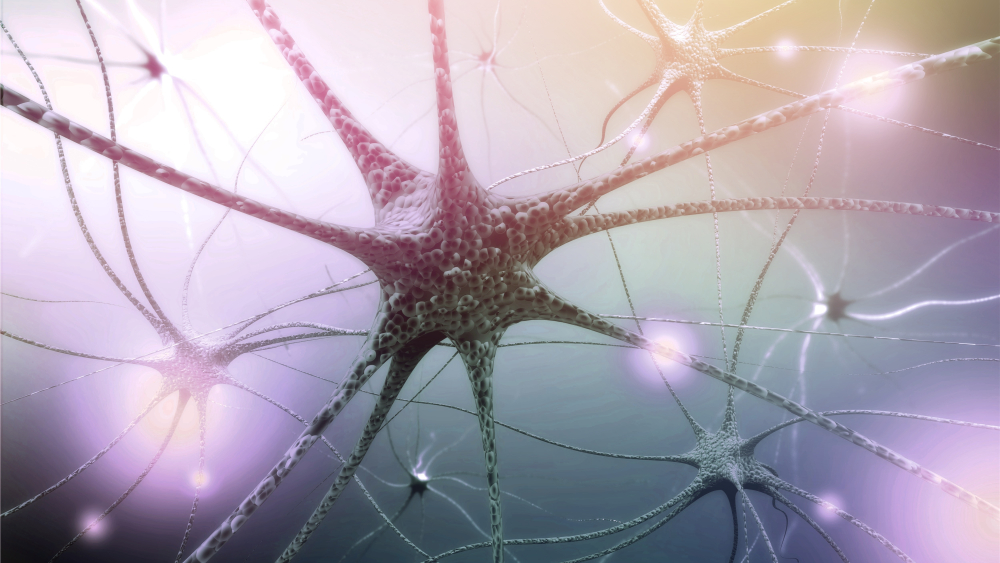
Trauma does not only affect memory or emotion. It reshapes the nervous system. After overwhelming experiences, the brain and body can remain on alert long after the danger has passed. That state of activation can feel confusing, exhausting, and isolating.
PTSD treatment in San Francisco at Restorative Psychiatry is grounded in safety, stabilization, and empowerment. Trauma responses are not weaknesses. They are survival adaptations—your nervous system doing what it was designed to do under threat. With the right support, those patterns can gradually soften.
Care is discreet and steady, whether you prefer in-person appointments in San Francisco or secure telehealth anywhere in California.
Trauma changes how the brain processes danger, memory, emotional regulation, and physical sensation. The nervous system can become sensitized, reacting quickly and intensely even in objectively safe environments.
Because trauma is stored in both cognitive memory and the body, symptoms can feel unpredictable. You may notice:
Persistent hypervigilance
Emotional flooding or sudden shutdown
Chronic muscle tension or unexplained pain
Difficulty sleeping or fully relaxing
These reactions are not character flaws. They reflect changes in stress circuitry and nervous-system conditioning. Your responses make sense. And healing is possible.
When PTSD Disrupts Daily Life
PTSD often affects daily functioning in subtle but persistent ways. In a dense, fast-paced city like San Francisco, even ordinary environments can feel overstimulating or unsafe. Over time, this can affect work performance, professional stability, intimacy, and self-confidence. PTSD may also coexist with conditions such as depression and anxiety. Treatment focuses on restoring steadiness, not forcing exposure before you feel ready.
You may experience:
Feeling tense or guarded in familiar places
Sudden waves of fear, grief, or overwhelm
Avoiding certain neighborhoods, conversations, or reminders
Emotional detachment or numbness
Difficulty sustaining trust in relationships
Heightened reactions to noise, crowds, or minor stressors
Exhaustion from being constantly “on edge.”
A nervous system that never fully rests
Your PTSD Evaluation: What to Expect
A PTSD evaluation is structured to feel calm and pressure-free. There is no requirement to relive traumatic events or disclose details before you are ready.
The initial process typically includes:
A supportive conversation about current symptoms
Exploration of triggers and stress responses
Review of sleep patterns and nervous-system activation
Identification of strengths, coping tools, and stability anchors
An initial recovery roadmap is created before specific treatment tools are introduced. The emphasis is on clarity and stabilization first.
Some individuals also have overlapping patterns such as obsessive rumination or trauma-linked compulsions, which may intersect with OCD. A thorough evaluation helps differentiate and clarify.
San Francisco PTSD Treatment Options
PTSD treatment is individualized. There is no fixed protocol. Care integrates biological, psychological, and lifestyle factors.
Support may include:
Medication Support
Medication Support
Medication to reduce hyperarousal, nightmares, panic, or irritability
Restorative Sleep Care
Restorative Sleep Care
Sleep-focused interventions when trauma disrupts rest
Nervous System Regulation
Nervous System Regulation
Grounding and nervous-system regulation strategies
Trauma Therapy Coordination
Trauma Therapy Coordination
Coordination with trauma therapists offering EMDR, somatic therapy, or cognitive processing therapy
Lifestyle Stabilization
Lifestyle Stabilization
Lifestyle guidance that supports regulation, including sleep structure, nutrition, and daily rhythm
The goal is not to overwhelm the system with interventions. It is to introduce support at a pace that feels sustainable.
When mood instability is present—such as cycling emotional intensity—careful assessment ensures symptoms are not better explained by conditions such as Bipolar Disorder.
Rebuilding Stability After Trauma
Healing is not about erasing history. It is about restoring predictability and choice in the present.
Over time, treatment may help you:
Trust your body’s signals again
Regain a sense of internal control
Communicate needs more clearly in relationships
Reduce emotional reactivity
Reconnect with creativity, meaning, or enjoyment
Feel safer in your physical environment
Progress is typically gradual. Small shifts in nervous-system regulation often lead to meaningful improvements in quality of life.
Medication Support for PTSD Symptoms
Medication can reduce specific PTSD symptoms, including:
Nightmares
Hyperarousal
Panic episodes
Trauma-linked depression or irritability
At Restorative Psychiatry, medication decisions are collaborative and carefully paced. The approach includes:
Clear explanations of risks and benefits
Conservative dosing
Close monitoring
Thoughtful, gradual adjustments
Medication is never positioned as the sole solution. It is one tool within a broader, whole-person plan.
Why Healing With Restorative Psychiatry Feels Different
Trauma-aware communication and pacing
Experience treating trauma-related insomnia and nervous-system dysregulation
Respect for readiness, consent, and personal boundaries
Whole-person framework addressing mind, body, and lifestyle
Calm, discreet San Francisco office setting
Secure telehealth for privacy and accessibility
Partnership-based care rather than detached symptom management
The focus is not just symptom reduction. It is helping you feel steady, informed, and supported.
Seeking PTSD treatment requires courage. Reaching out does not mean revisiting trauma before you are prepared. It means beginning to rebuild stability.
You are encouraged to move at your own pace. Safety and trust come first.
When you feel ready, you can schedule a consultation for PTSD treatment in San Francisco, CA, or access secure telehealth anywhere in California.